Whole Class Guided Reading
The Literacy Tree's Book-based Reading Leaves
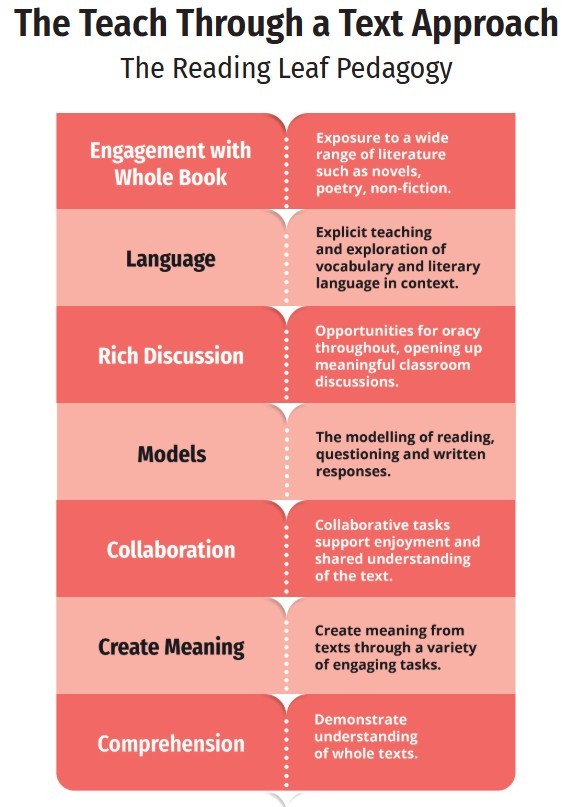
Reading Leaves are book-based comprehension planning resources for Y2-Y6 designed to support teachers with the teaching of reading, using whole books, rather than extracts. Reading Leaves include novels, poetry, and high-quality non-fiction, all thoughtfully linked to Writing Roots through shared literary themes. At Callington we use them as the structure for our whole-class guided reading sessions fro children once they are off of the RWI phonics programme.
Each Reading Leaf has 10-20 session notes, with each session focusing on skills from the Programme of Study, so that children have the opportunity to secure them deeply. In many cases the same question stem is repeated to ensure teachers can model how to answer questions, before the children apply it themselves.
Reading Fluency
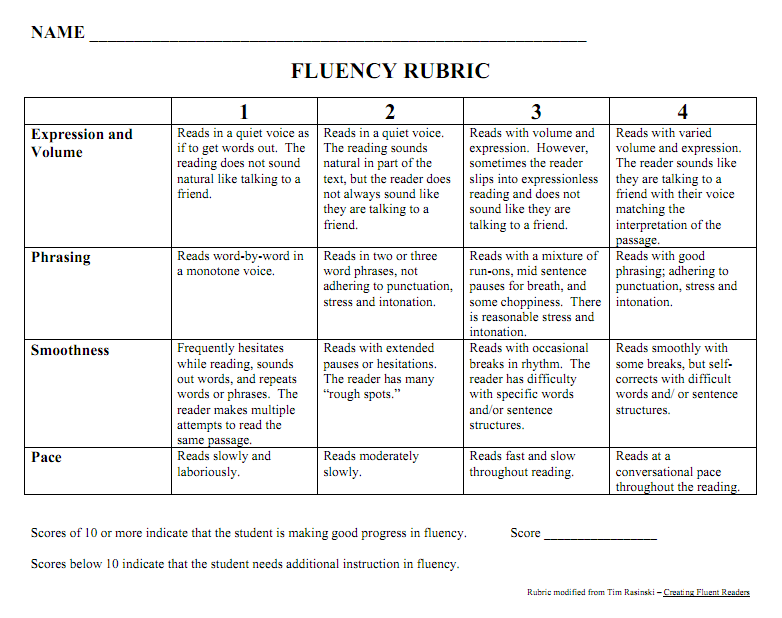
Alongside our Literacy Tree reading lessons, we place a strong emphasis on developing reading fluency so that children become confident, expressive readers. As well as teachining and practicing reading fluency in out Literacy Tree lessons and across the curriculoum, we also teach discrete reading fluency lessons for children in Year 2 - Year 6. We use Rasinski’s fluency rubric to guide our teaching, focusing on accuracy, pace, and prosody (expression). Teachers explicitly model fluent reading, demonstrating how tone, phrasing, and punctuation bring a text to life. Vocabulary is also taught directly to ensure pupils understand what they are reading, which supports smoother, more meaningful reading. Through strategies such as echo reading and choral reading, children have regular opportunities to practise reading aloud in a supportive, structured way.
Children are also encouraged to reflect on their own progress by self-assessing using the fluency rubric, helping them to understand what fluent reading looks and sounds like. We incorporate paired reading and elements of the Education Endowment Foundation’s Readers’ Theatre approach to make fluency practice engaging and purposeful. In these sessions, children rehearse and perform texts, building confidence, deepening comprehension, and developing expressive reading skills. By revisiting and practising familiar texts, pupils gain automaticity and enjoyment, enabling them to focus on meaning rather than decoding alone.
Accelerated Reader
New for Summer Term 2026
At Callington Primary School we are excited to be introducing Accelerated Reader as of the Summer Term 2026.
We use the Accelerated Reader and Star Reader programmes to access and promote our pupils’ reading development. We do not use Accelerated Reader as a programme to teach our children how to read. This is predominately done through our phonics programme in the earlier years, to whole class guided reading sessions from Years 2 to 6.
As part of the programme each child will be assessed and an appropriate range of books to choose from will be assigned. After the children read their book they undertake an online quiz to assess their understanding of the text.
The programme provides our staff and parents with data along the way that allows us to carefully monitor the progress and development of each child. We are very proud within our school community to acknowledge how hard our pupils work with their reading and take great satisfaction from how many of them choose to “read for pleasure”, a skill that will serve them well throughout their lives. We know that this programme will further embed this love for 'reading to learn'.
Please visit the following website for an introduction to Accelerated Reader (AR)
- www.renlearn.co.uk
- Click on Accelerated Reader
- Click on AR for Primary Schools
- Choose from three options to find out more including;
- supporting your child when reading together,
- looking at how quizzes are set
- how the data collected guides your child’s reading journey
In Vocabulary week, the children explore eight words from the story. These words have been specifically selected to develop children’s understanding of each word in the context of their everyday lives. The eight words selected for focus in each of the stories are what Isabel Beck, in Bringing words to life, has called ‘Tier 2’ words. These are words that children are unlikely to hear in everyday conversation but are likely to come across in stories. In I’m in charge by Jeanne Willis, for example, the focus words are:
bellowed startled barged sneaked grinned dreadful stomped refused
Reading for Pleasure
At CPS, we believe that reading should be a joyful and rewarding experience for every child. We promote a love of reading by creating a rich reading environment filled with exciting, age-appropriate books that reflect a wide range of interests, cultures, and experiences. Children are given regular opportunities to explore our classroom libraries and book corners, the school library, take part in story time, and engage in activities such as book talks, reading challenges, and special days. We celebrate reading achievements and encourage children to share their favourite books with their peers, helping to build a strong reading community across the school.
Reading for pleasure is woven into our daily routine, with dedicated time for independent reading where children can choose books that truly interest them. Our teachers model a love of reading by sharing stories, recommending books, and discussing what they enjoy reading themselves. We also ensure that children feel confident in their reading abilities by providing support that matches their individual needs, so that every child can experience success and enjoyment.
Parents and carers play a vital role in developing a child’s love of reading. We encourage families to read together regularly, whether it’s sharing a bedtime story, listening to your child read, or simply talking about books and stories. Visiting the library, exploring different types of reading materials (such as comics, magazines, and non-fiction), and making reading part of everyday life can all make a big difference. Most importantly, showing enthusiasm and interest in your child’s reading helps to build positive habits that will last a lifetime.
Visit the Open University Webiste Reading for Pleasure - Reading for Pleasure for more information about Reading for Pleasure.